Batch Transaction
One Sign, Many Actions
On EVM, high transaction fees keep users away. Batching flips that into the lowest fees on the market.
Senior Product Designer
0→1 Launch · 2024 Q1
Account abstraction
For a smart contract wallet, the fee alone can decide whether people stay. That leaves little room to compete. Batching changes the math: many actions go through on one fee instead of one each.
One tap sends a TX. So how do you get people to wait?
The Challenge
Batching makes a transaction cheaper, but only if you wait and let a few build up first. That runs against reflex: people confirm the moment a transaction is ready. Getting them to hold back for the savings was the design problem.
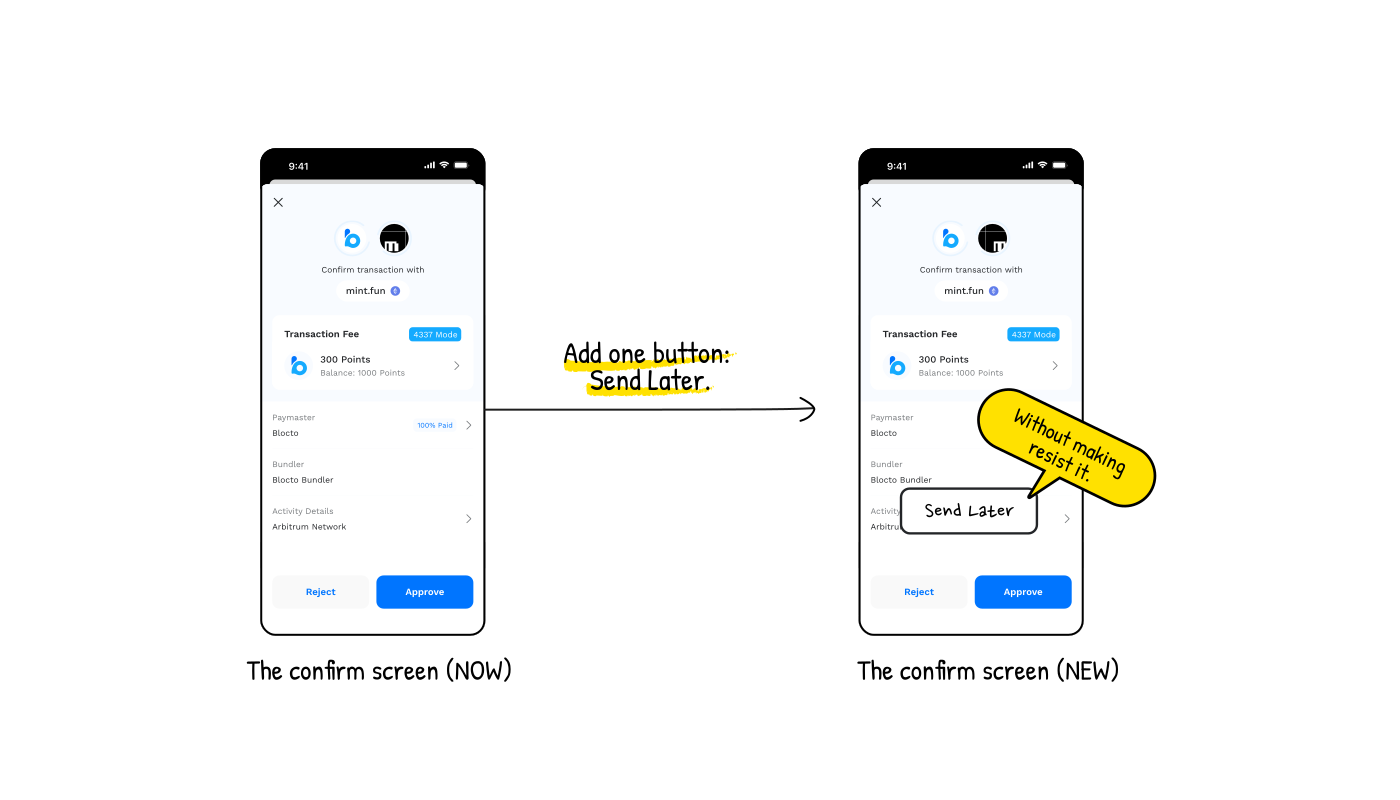
Send Later lives on the confirm screen, the last step before a transaction goes out. I put it right next to Approve, so choosing to wait takes no more effort than sending now.
A cheaper fee is the draw. People just have to see it.
Design Strategy
Every step hides an intention. Someone who sends on reflex has to slow down just long enough to see the saving, trust it, and still feel it by the time the transaction goes out.
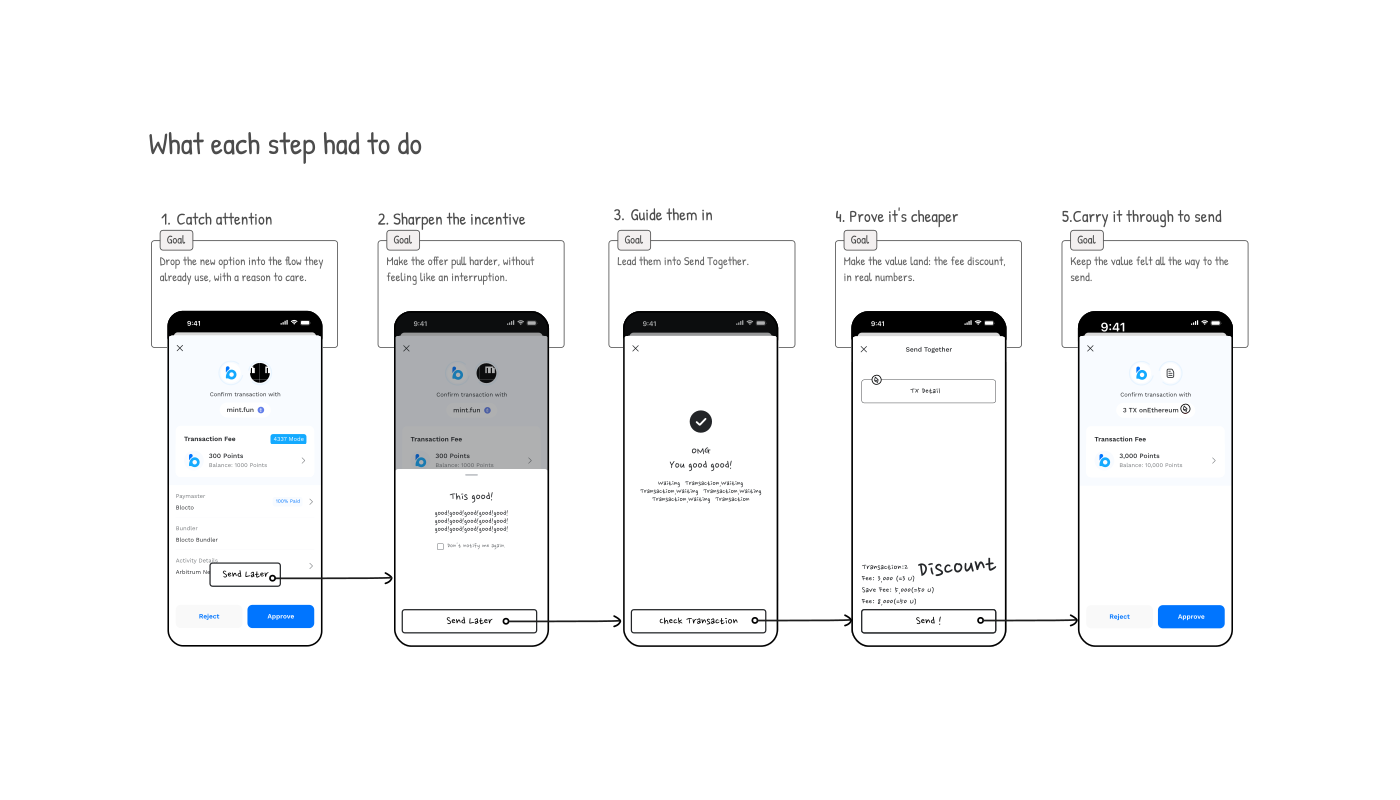
Risk we need to face
Batching runs against habit. People are used to sending one transaction at a time, and the nudge can lose them at any step. Most flows are designed for the happy path alone, so in the pitch I ran both, side by side: what we hoped for, and what we risked.
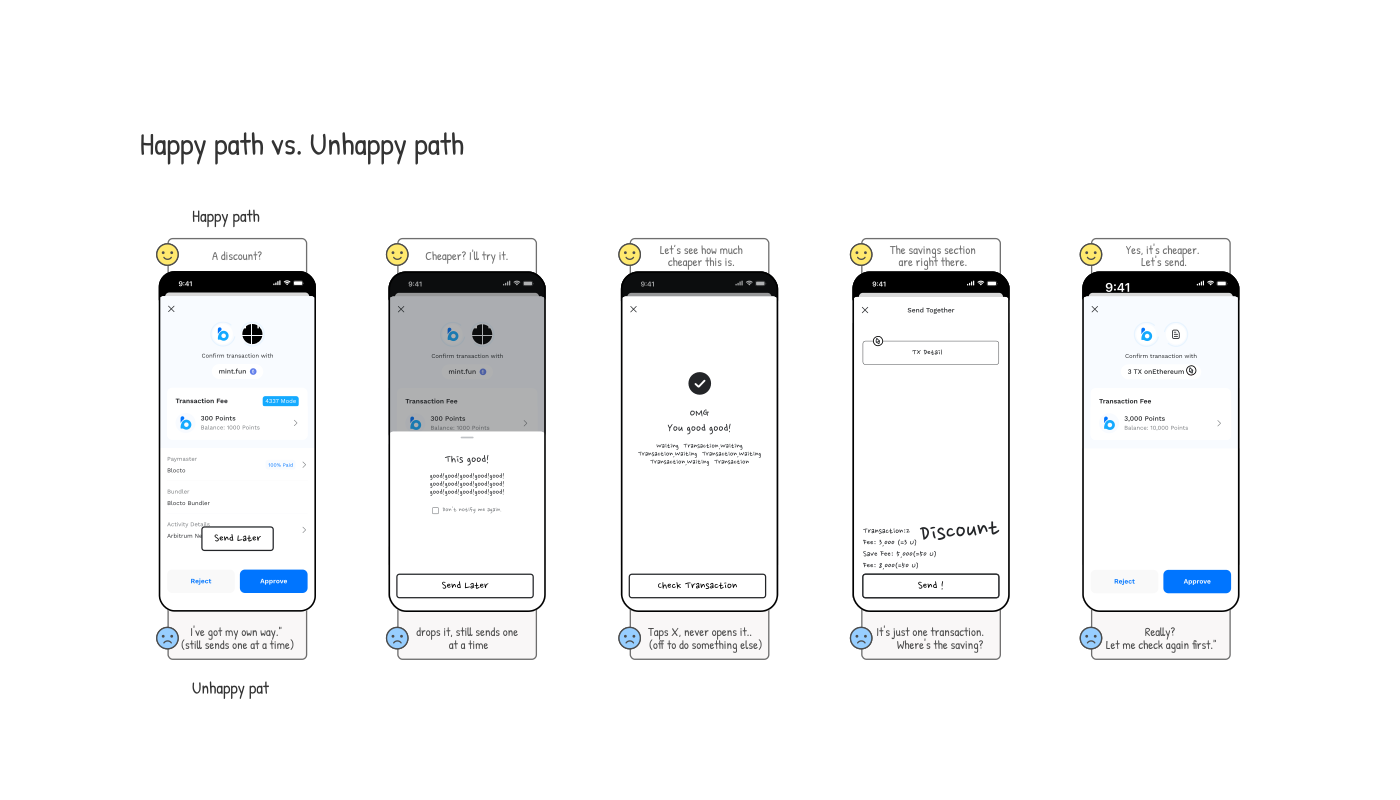
Happy pathThe discount catches their eye, the saving proves out in real numbers, and they send with it on their own.
Unhappy pathThe habit wins. The prompt gets tapped away, the saving reads as too small to bother, and they drop back to one at a time.
The interface, up close.
Screen by screen
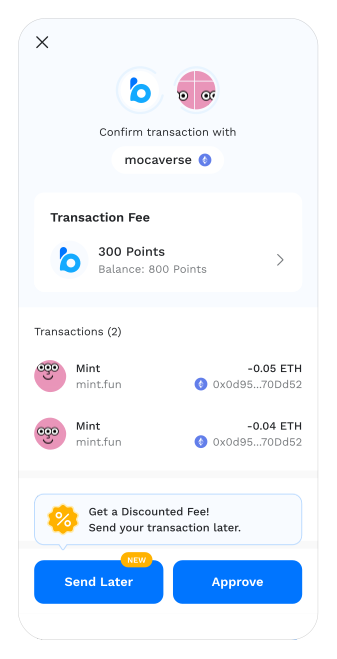
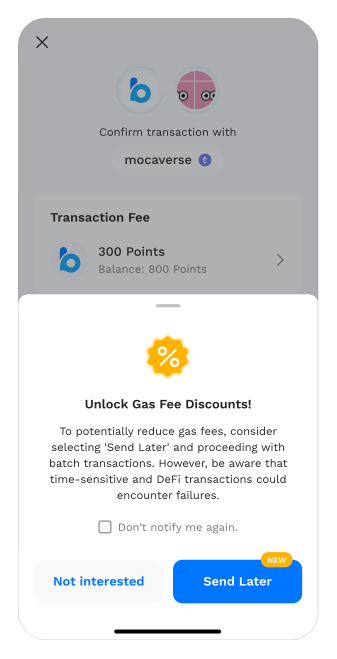
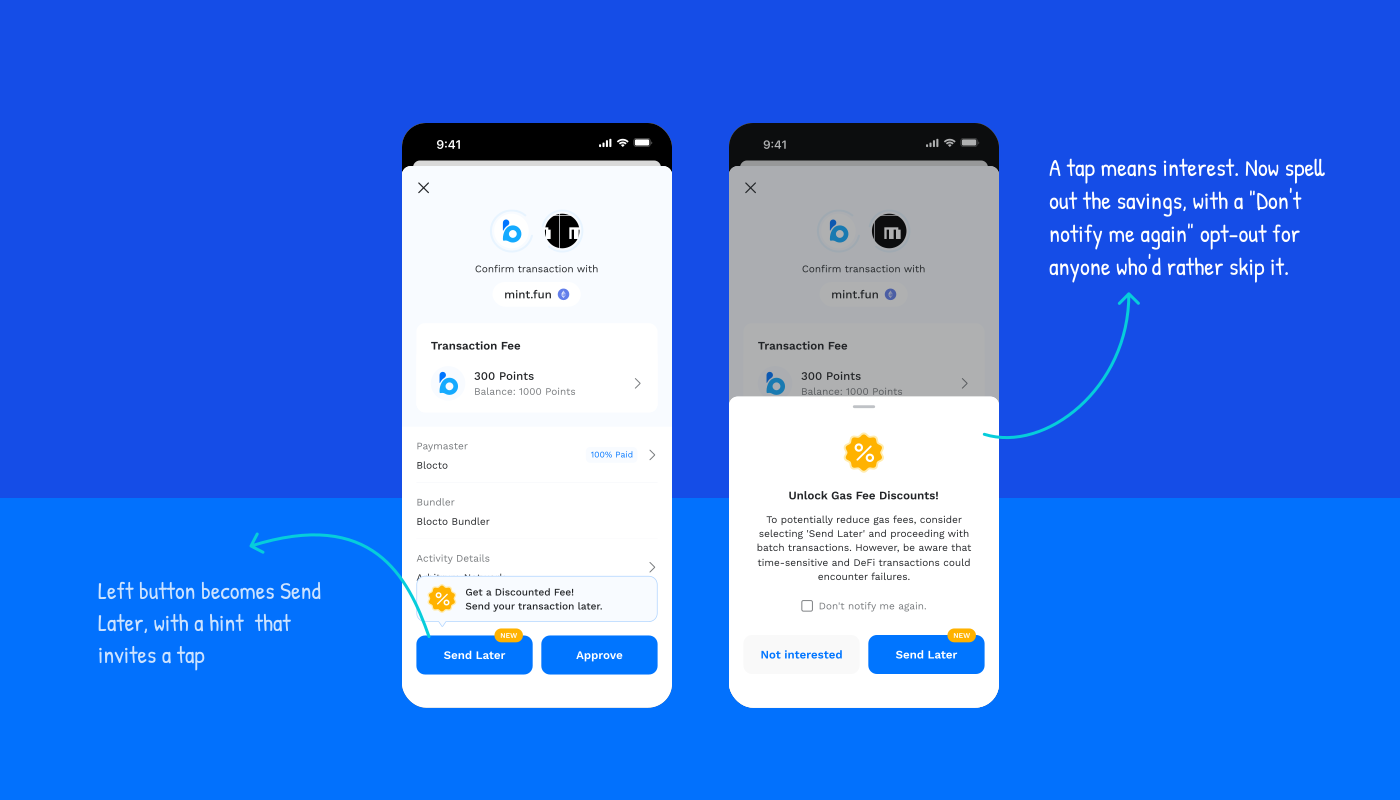
The first tap
The left button becomes Send Later, with a hint that invites a tap. Tapping opens the full savings, plus an opt-out for anyone not interested.
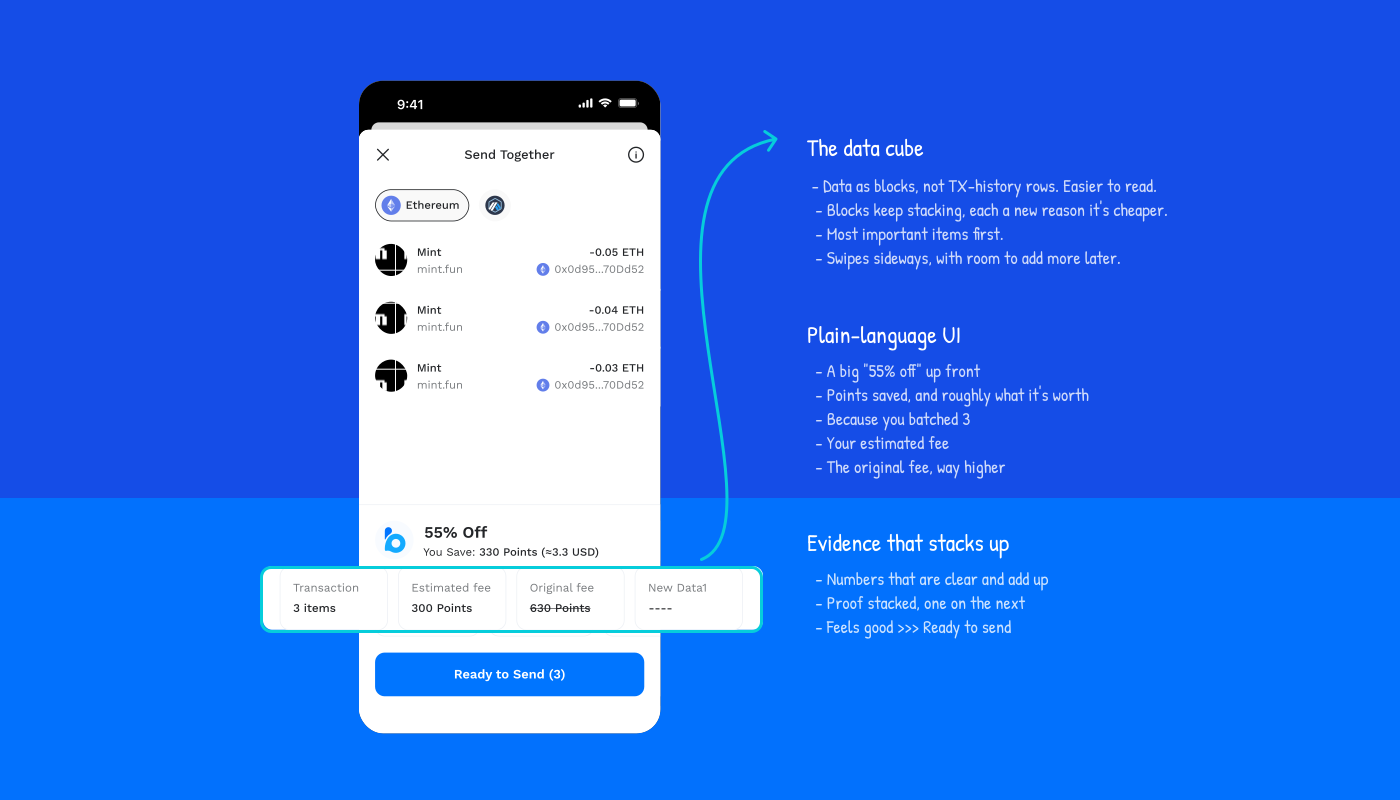
The data cube
Savings shown as blocks, not TX-history rows, and in plain language, so the numbers read clearly and add up.
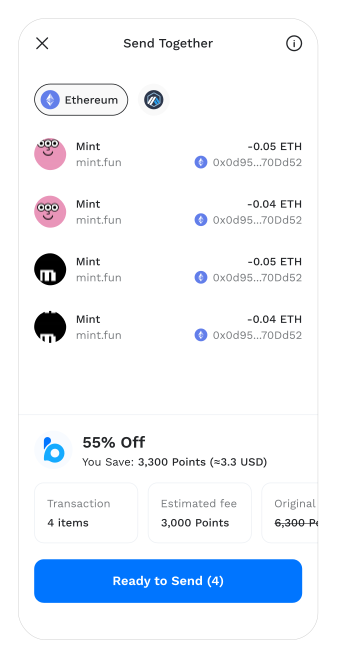
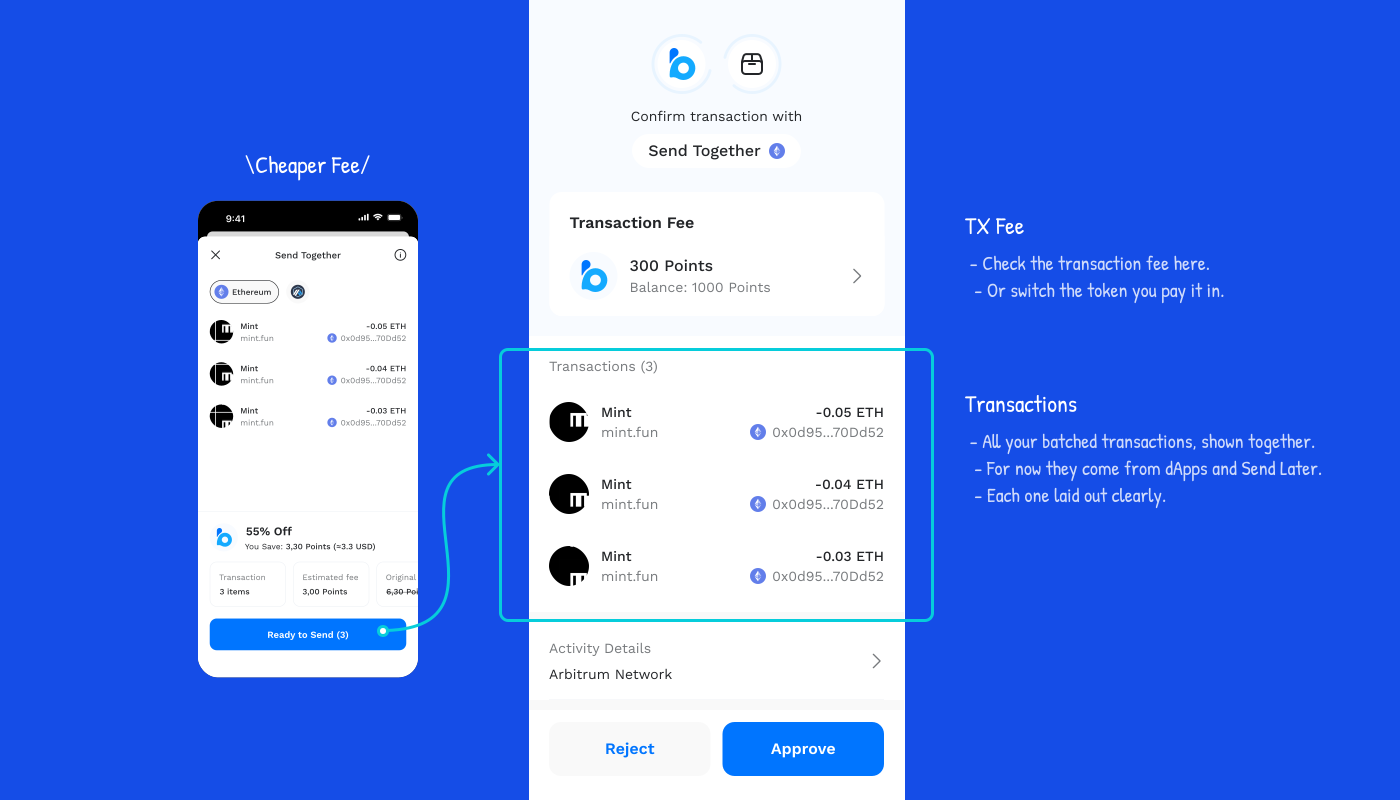
The confirm screen
Check the fee or switch the token you pay it in. The batched transactions sit together, each one laid out clearly.
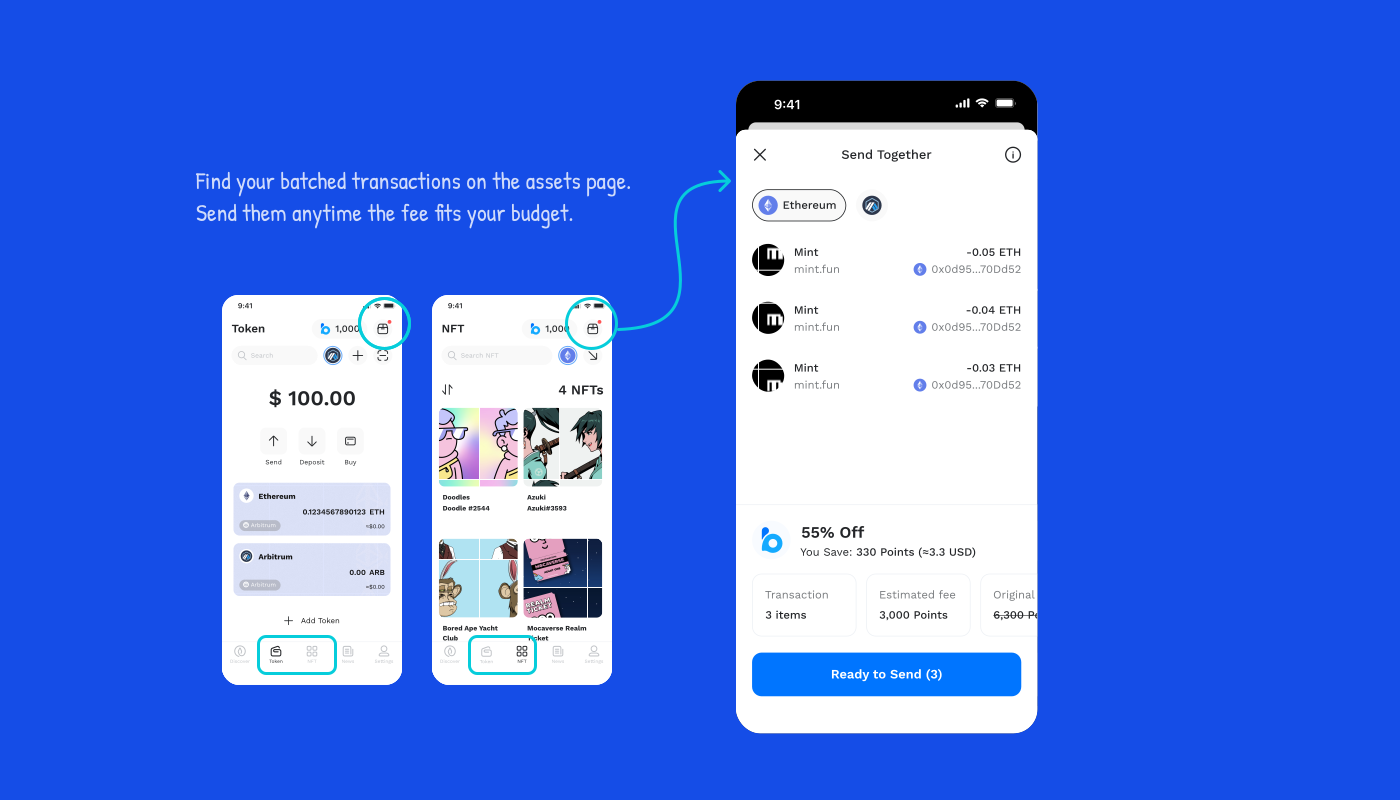
The assets page
Batched transactions wait on the assets page, ready to send whenever the fee fits your budget.
Takeaways
- Technology could lower the fee. The real design work was the behavior behind it: getting people to send against instinct, in a flow no other wallet had.
- Most of the pressure sat on design, but the team stayed close and backed the calls. I was grateful for that.
- Then the ground moved. Gas got cheaper everywhere, L2s arrived, and the numbers never really stood out.
- Even so, the work held its value: proof the team kept looking for the next edge a smart contract wallet could own.