A launchpad and a DAO,
inside the wallet

Early token sales meant chasing links across sketchy sites and hoping the contract was real. We brought the launchpad, and the governance that follows, into a wallet people already trusted.

Blocto's IDO: a Starly token sale page with its supply, price, and rules, set among a $BLT governance poll, a payout estimator, and the participation journey.

Lead Product Designer

0→1 launchpad + DAO

On-chain governance, in-wallet

First up, the IDO.
Get in early, just don’t go in blind.

Three goals shaped it:

  1. Show the whole flow, so no step is a surprise.
  2. Make it clear which pool pays off best for them.
  3. Once they pick, nudge them to stake more $BLT for a bigger share.

Clear eligibility, clear steps to join
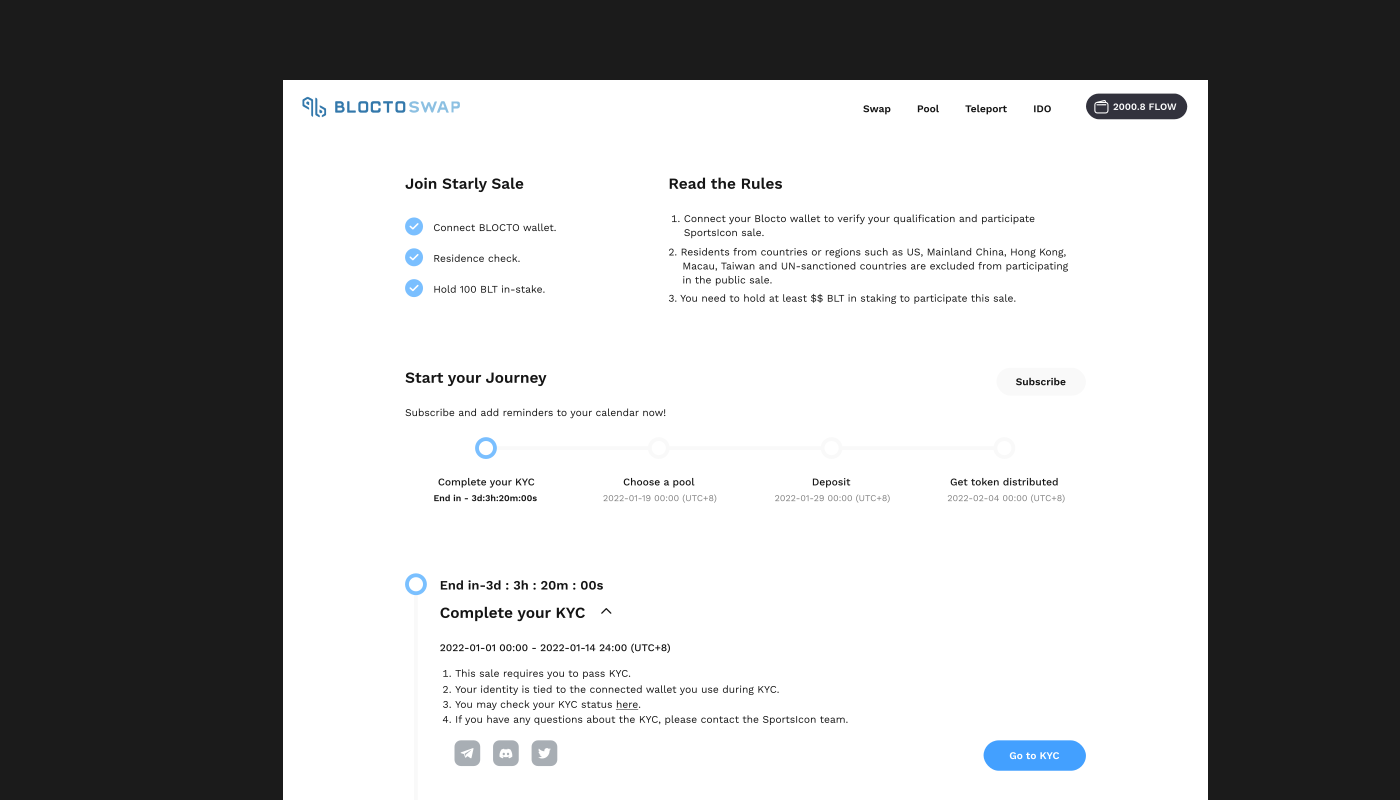
BLOCTOSWAP's IDO sale page: a 'Join Starly Sale' eligibility checklist beside a 'Start your Journey' stepper through KYC, choosing a pool, deposit, and token distribution.

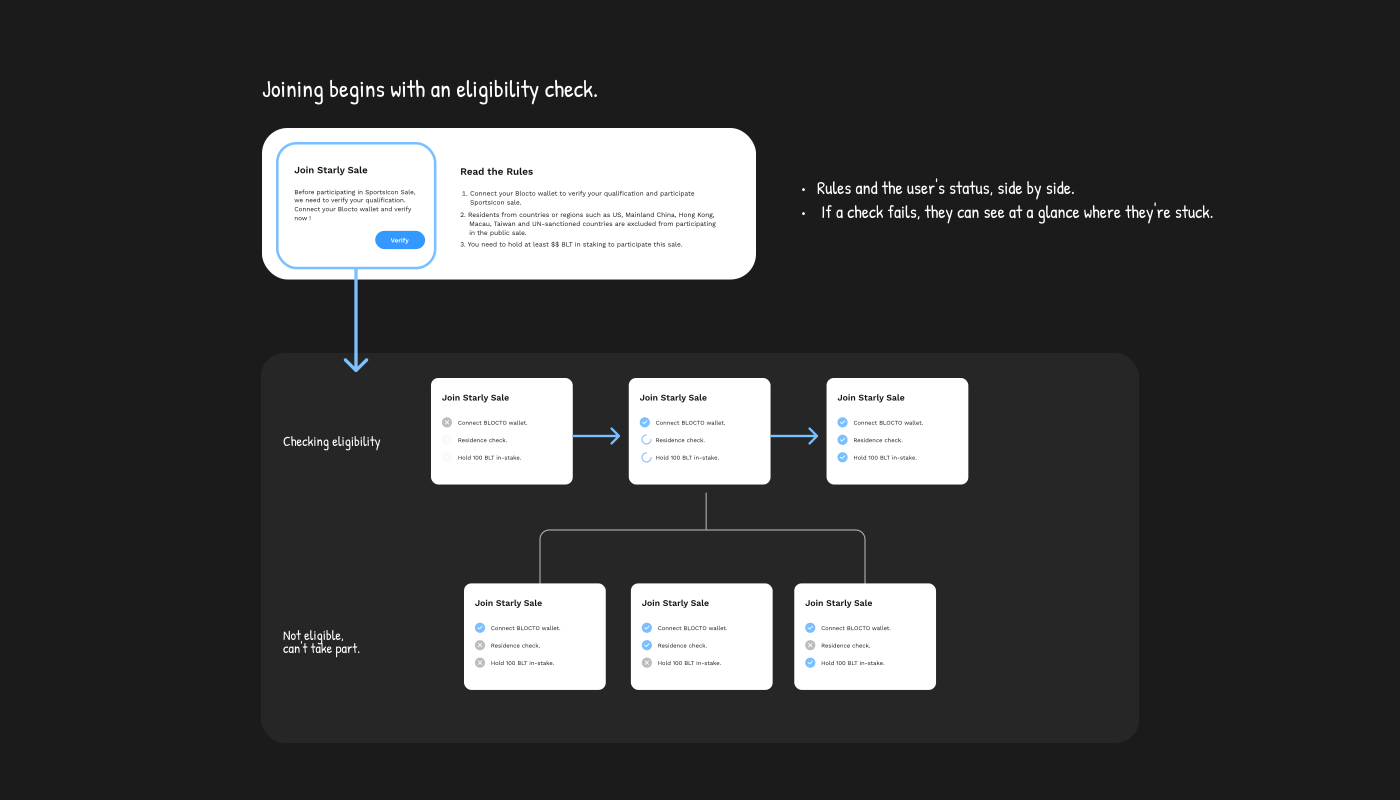
Every eligibility state, mapped

A flow diagram of the eligibility check: joining starts the check, the rules and the user's status sit together, a loading state while verifying, and a branch for when the user does not qualify.

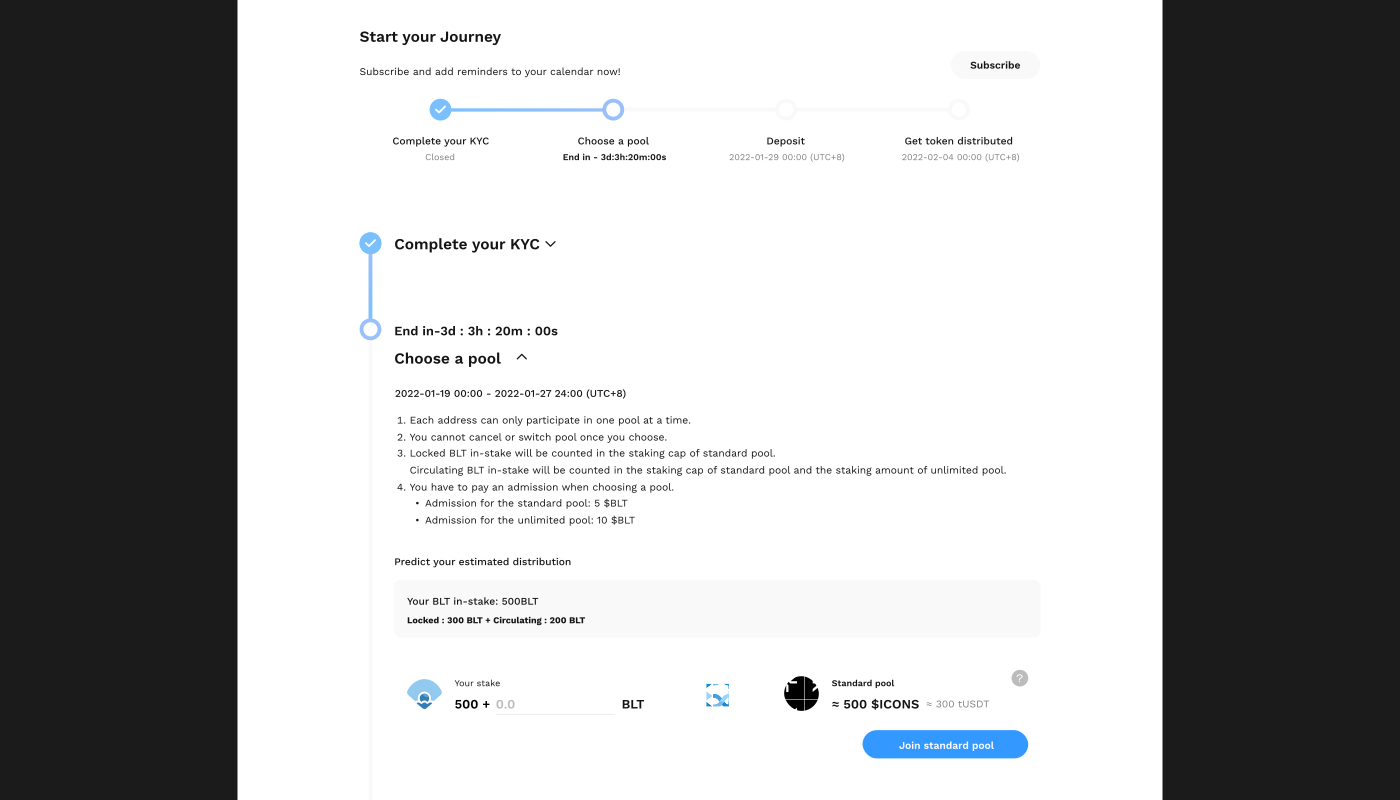
A guided journey, dates on every step
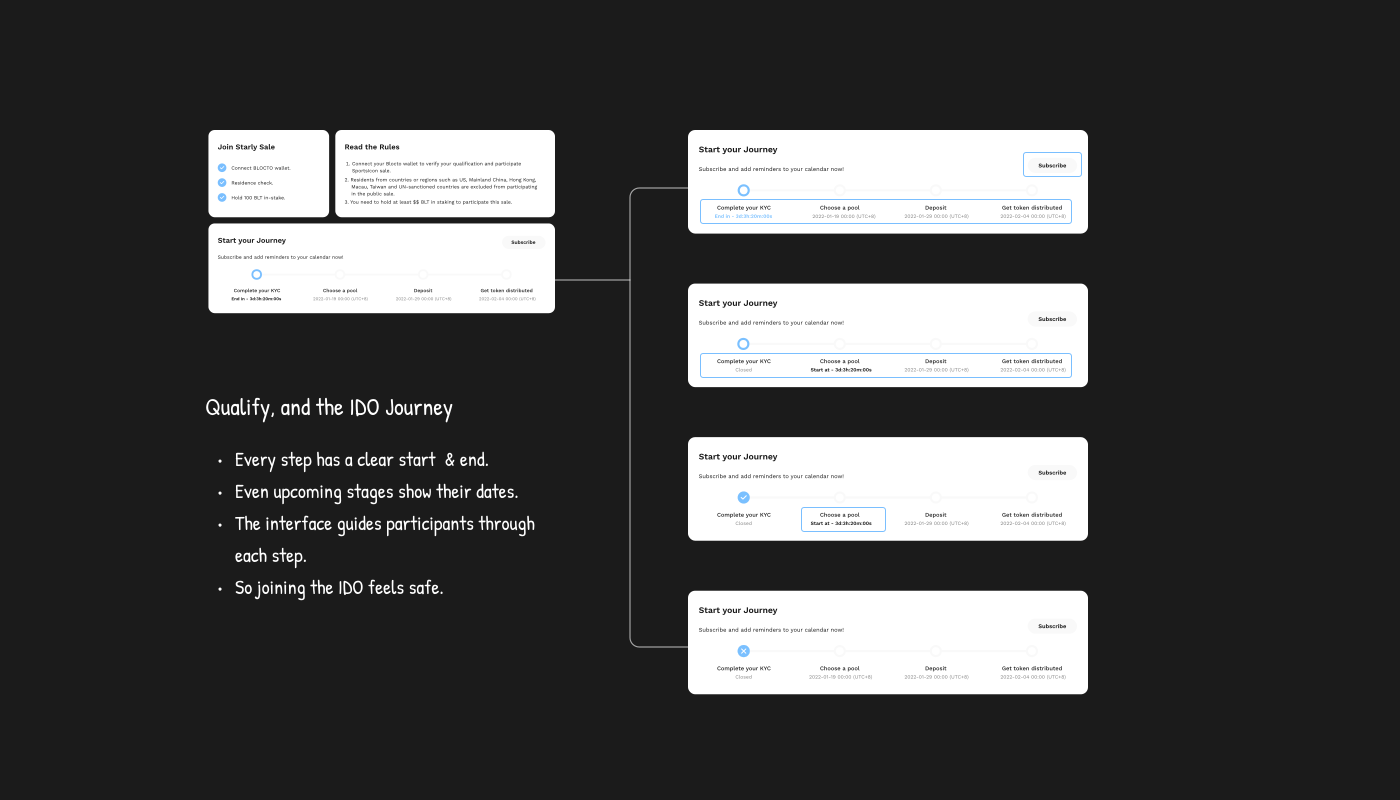
The IDO Journey laid out as a stepper: complete KYC, choose a pool, deposit, and get tokens distributed, with each step showing its start and end dates.

Clear rules at every step

Each step of the IDO journey with its rules spelled out: what is required, the timing, and what the participant needs to do.

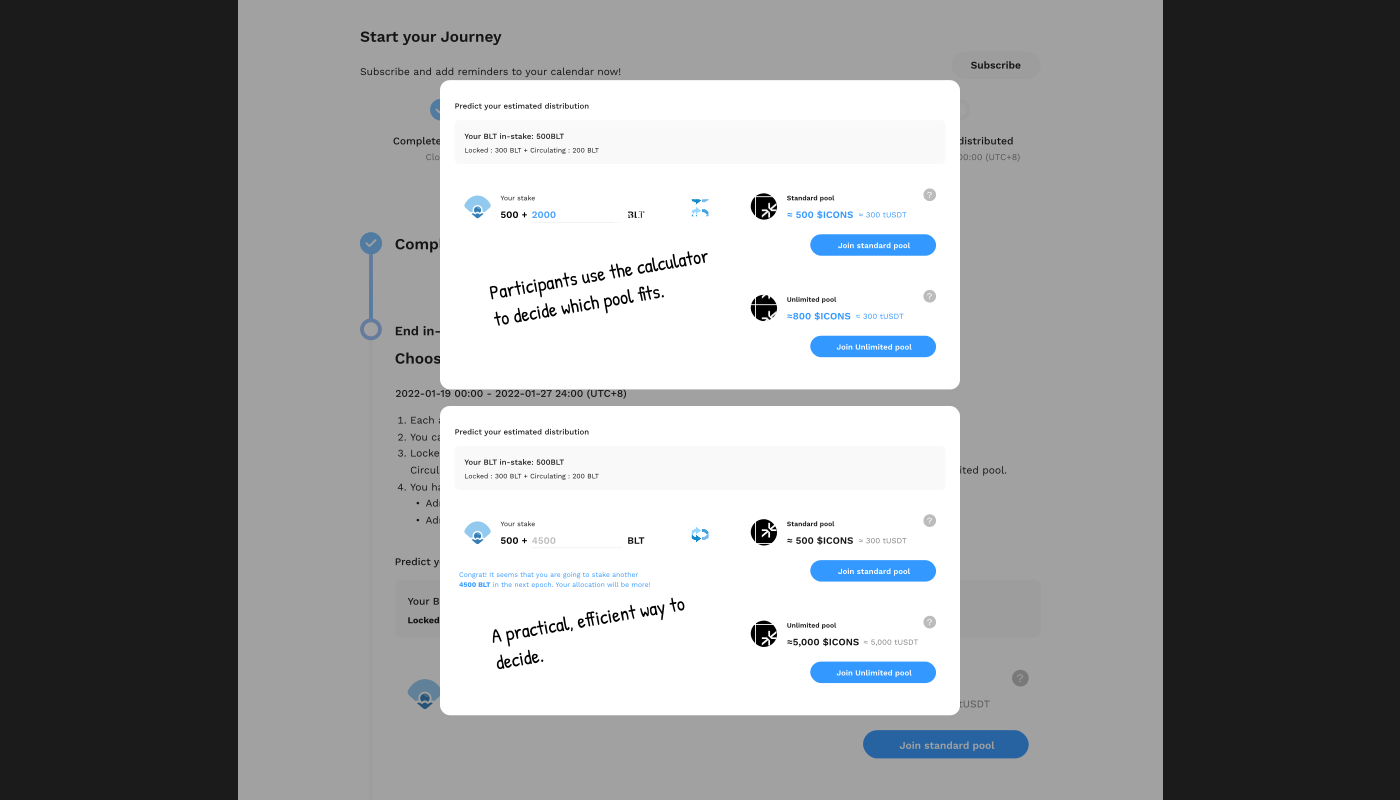
A calculator to pick the right pool

A pool calculator on the IDO: enter an amount to estimate the outcome across pools, so the participant can choose the one that suits them.

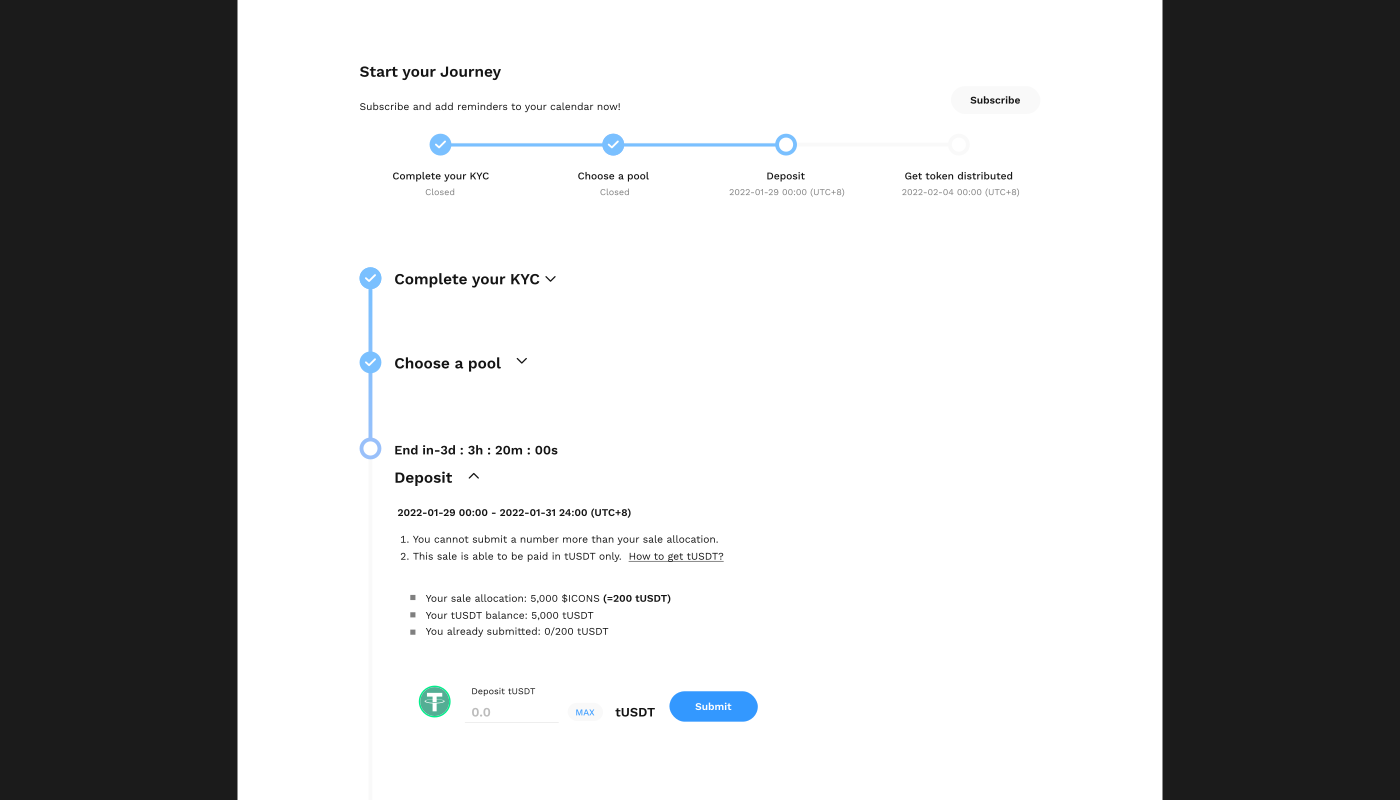
Deposit, capped to your allocation

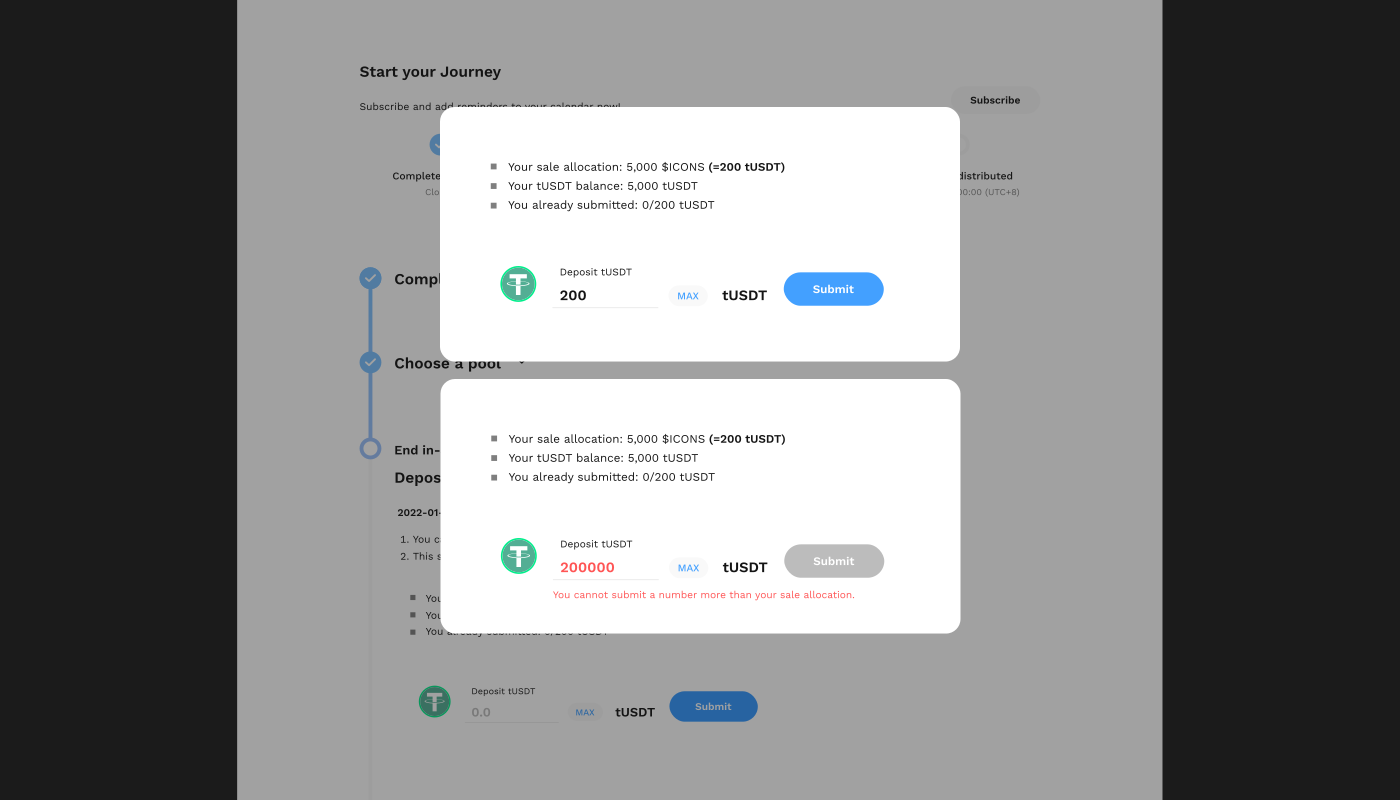
The deposit step of the IDO journey: the sale allocation and tUSDT balance shown, with rules that the deposit is in tUSDT only and cannot exceed the allocation.

Over the cap, Submit locks

Deposit amount validation: a valid amount can be submitted, while an amount over the sale allocation is rejected with an error and a disabled Submit button.

Then, the DAO.
Holding a token should mean having a say.

Two goals shaped it:

  1. Make the path to a vote clear, start to finish.
  2. Keep the interface simple enough that anyone gets it.

Proposals, and where each one stands
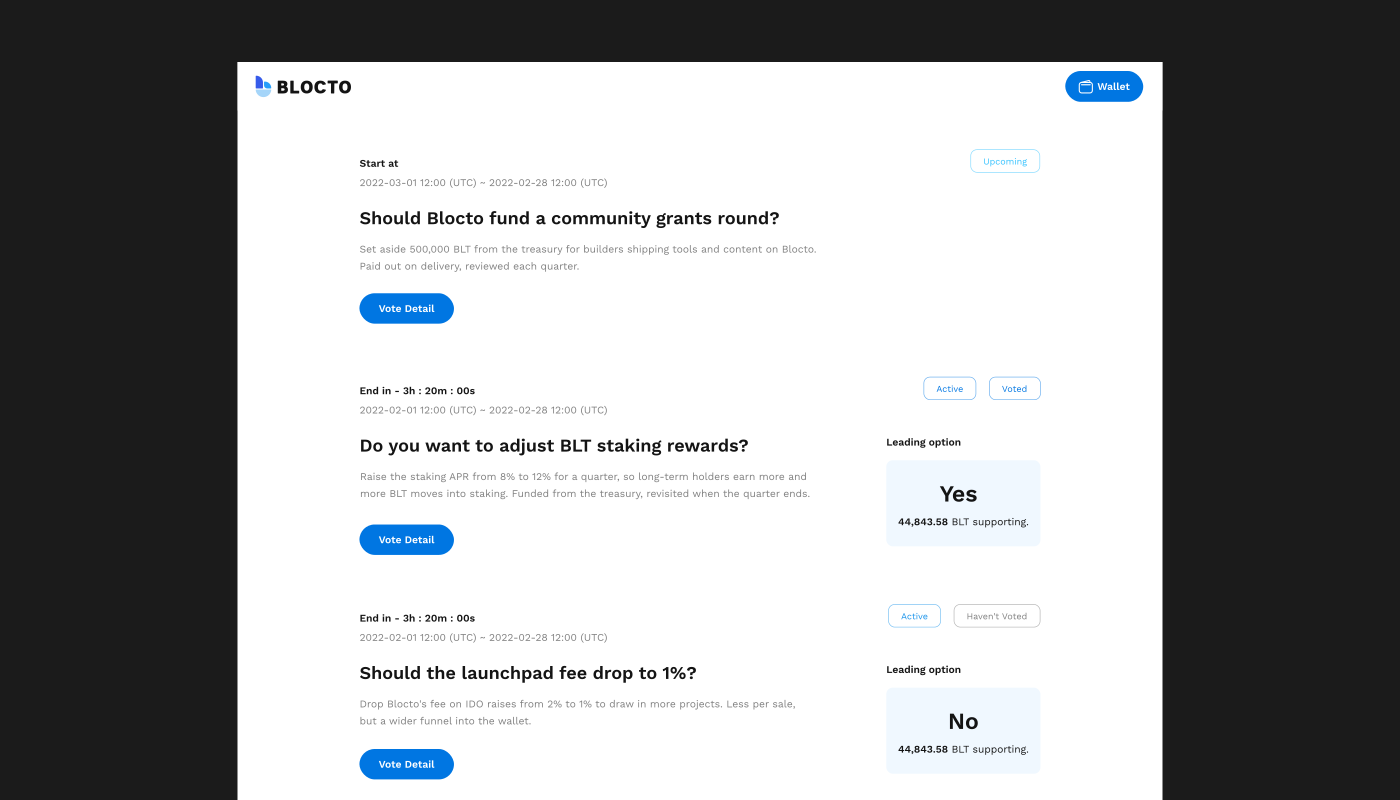
The DAO governance list: proposals to fund a grants round, adjust BLT staking rewards, and drop the launchpad fee, each with its status and leading option.

Your vote, and where the poll stands

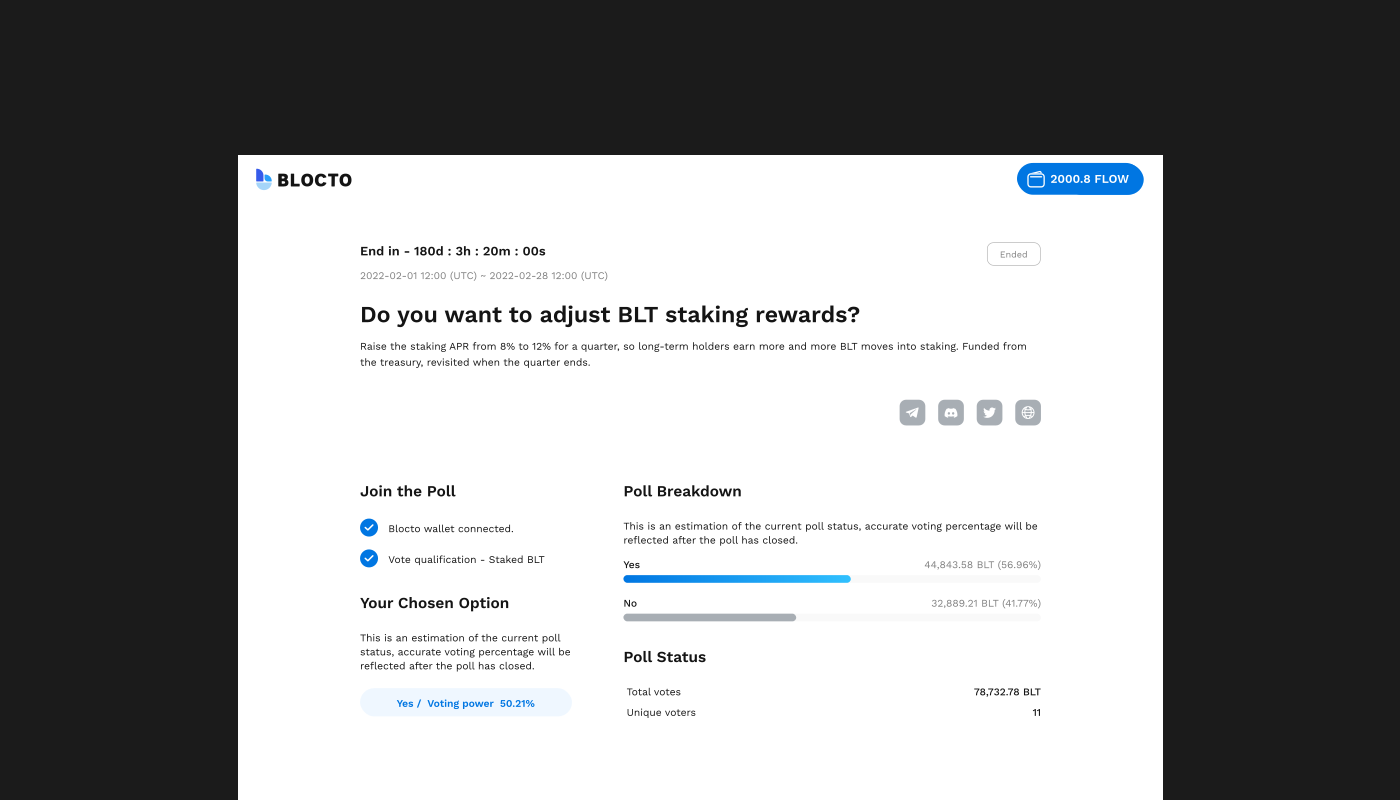
A poll detail page: vote qualification, your chosen option and voting power, a Yes-versus-No breakdown by BLT, and poll status with total votes and unique voters.

Every vote, on record by address

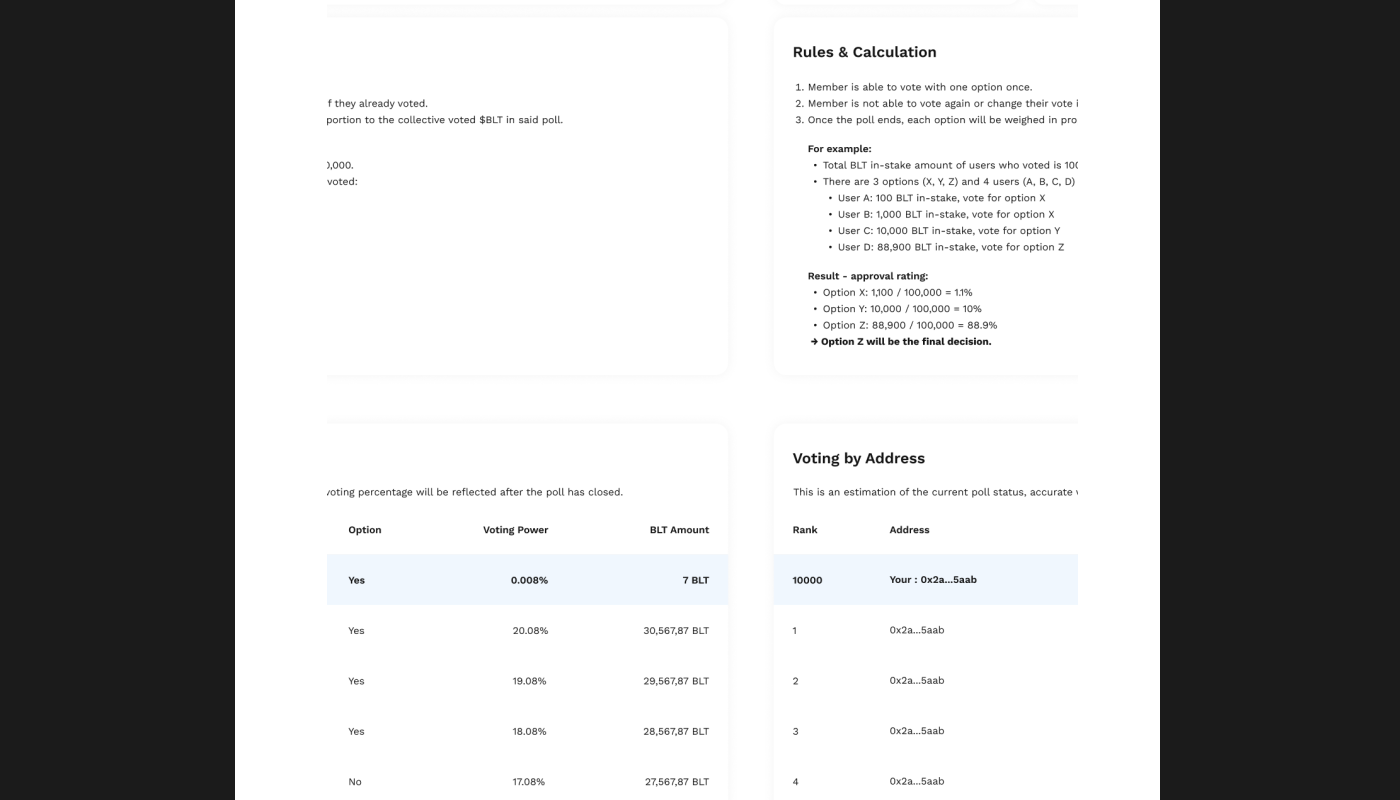
The voting transparency view: rules for how staked BLT weights each vote, and a voting-by-address table listing each wallet's rank, option, voting power, and BLT amount.

Every voting state, handled

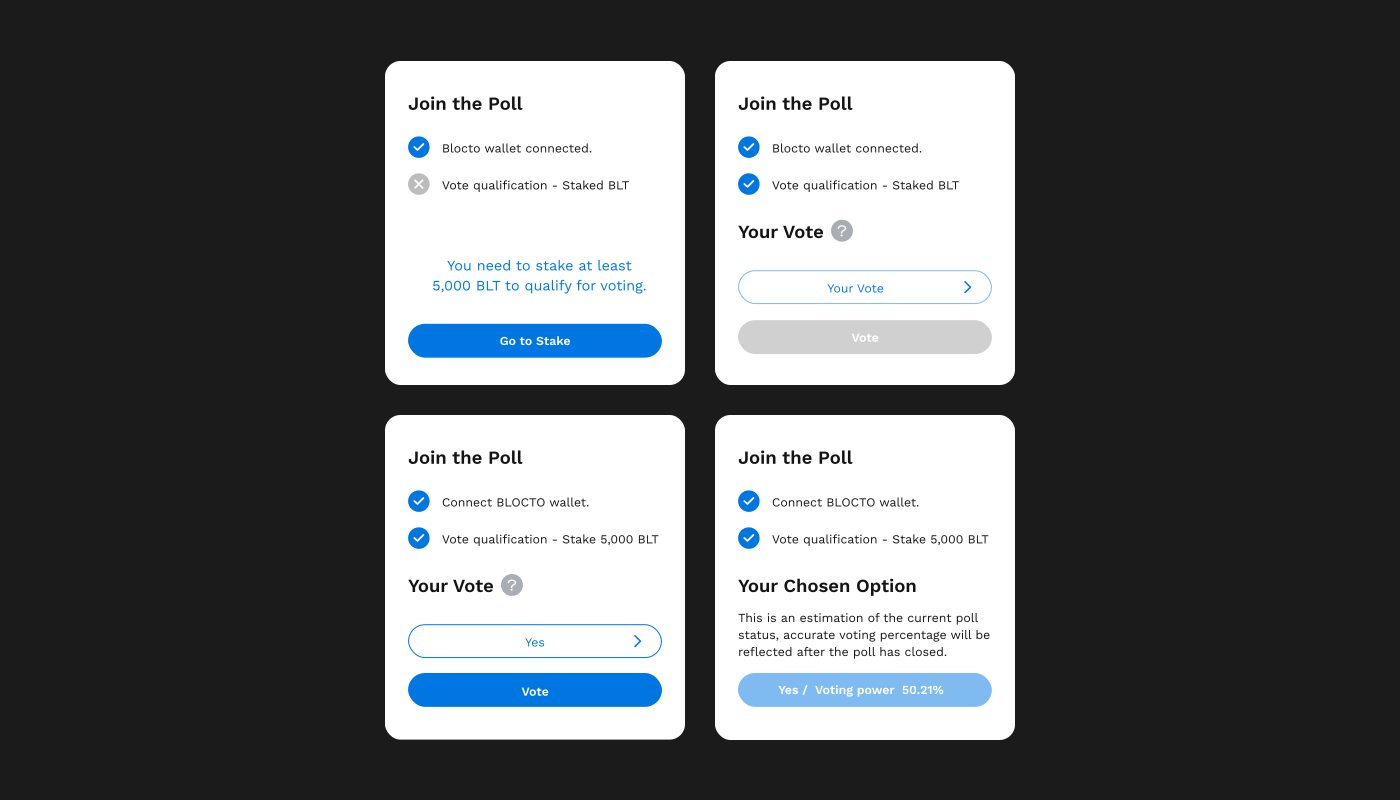
The voting card across its states: not yet qualified with a prompt to stake BLT, qualified and ready to vote, a vote cast, and the chosen option with its voting power.

Takeaways

A launchpad and a DAO, built side by side. What I took from it:

  1. The hardest part was the rules. There were a lot of them, all fiddly, and the interface had to make them feel simple.
  2. Every stage of the journey asks for something different, so the guidance had to be clear about what to do, and when.
  3. It all shipped on a tight timeline. Tough, but the kind of tough I loved.